
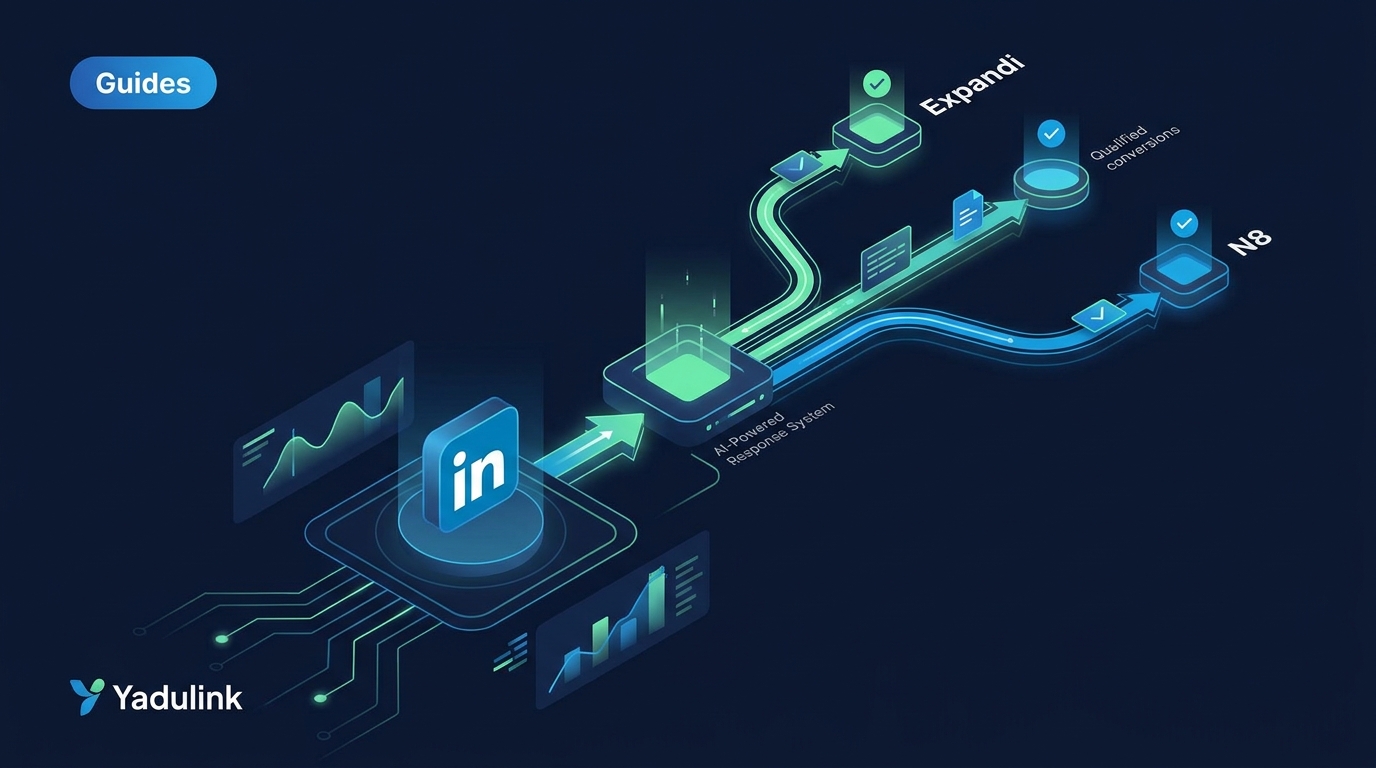
In 2026, 73% of B2B sales teams using AI-powered LinkedIn automation generate 40% more qualified leads than those relying on traditional approaches. Yet most professionals still settle for basic tools that produce robotic messages and disappointing response rates.
The difference? An intelligent LinkedIn automation system that combines automation efficiency with AI personalization. This guide reveals how to build this sophisticated architecture that transforms your LinkedIn prospecting into a qualified opportunity generation machine.
The Evolution of LinkedIn Automation in 2026
The New Paradigm of Intelligent Automation
LinkedIn automation reached a decisive turning point in 2026. Traditional systems that sent identical messages to thousands of prospects are now obsolete. LinkedIn’s algorithms detect these practices with 94% accuracy, resulting in near-immediate account restrictions.
Modern automation systems rest on three fundamental pillars
- Contextual intelligenceAnalysis of profiles, recent posts, and prospect activity
- Adaptive content generationPersonalized messages based on behavioral data
- Continuous learningAutomatic optimization based on response and engagement rates
Limitations of Traditional Approaches
First-generation automation tools have critical flaws
-
Generic messages easily identified as automated
-
No contextualization based on industry or prospect role
-
Inability to adapt to responses and common objections
-
Tedious manual management of generated leads
These limitations explain why 68% of professionals abandon their LinkedIn automation strategy within the first 6 months.
Core Components of an AI-Assisted LinkedIn System
Fundamental Technical Architecture
An effective AI LinkedIn automation system relies on four interconnected components:
- Artificial Intelligence Engine
-
Specialized language models for commercial content generation
-
Sentiment analysis algorithms to evaluate responses
-
Automatic prospect scoring system
- LinkedIn Automation Platform
-
Automated connection and message management
-
LinkedIn limits compliance (20-25 invitations/day)
-
Human behavior simulation with variable delays
- Workflow Management System
-
Multi-step sequence orchestration
-
Triggers based on prospect actions
-
Integration with existing CRM tools
- Analytics and Optimization Dashboard
-
Real-time performance tracking
-
Automated A/B testing on messages
-
Data-driven improvement recommendations
Technology Tool Selection
Tool selection determines your system’s performance. Here are the essential criteria:
For the AI engine
-
Prompt customization capabilities
-
Robust API integration
-
Optimized cost per request
For LinkedIn automation
-
LinkedIn terms of service compliance
-
Advanced human simulation features
-
Multi-account support for teams
Setting Up Your AI Response Engine
Step 1: Defining Personas and Contexts
Personalization begins with precise prospect segmentation. Create detailed profiles including:
- DemographicsIndustry, company size, function
- Specific challengesPain points identified by sector
- Communication preferencesFormal/informal tone, message length
- Purchase triggersEvents that motivate buying decisions
Step 2: Creating Dynamic AI Templates
Your templates must integrate dynamic variables that AI uses to personalize each message:
Hi {first_name},

I noticed {company} recently {recent_event}.
As {job_title}, you're probably dealing with {specific_challenge}.

{personalized_value_proposition}

Would you be open to a 15-minute conversation about {relevant_topic}?

{personalized_signature}
Step 3: Model Training and Calibration
Your system’s effectiveness depends on quality initial training:
- High-performing message corpusAnalyze your best manual messages
- Positive response examplesIdentify patterns that generate engagement
- Objection handlingPrepare responses to common objections
Building Automated Workflow Triggers
Intelligent Behavioral Triggers
Advanced systems react to subtle behavioral signals
High engagement signals
-
LinkedIn profile visit within 24h
-
Interaction with your recent posts
-
Website consultation (via UTM tracking)
Opportunity signals
-
Recent job change
-
Post mentioning a challenge you solve
-
Participation in industry events
Optimal timing signals
-
Recent LinkedIn activity (login within 2h)
-
Day and time of high prospect activity
-
Low competition periods in their sector
Multi-Step Sequence Architecture
An effective sequence combines multiple touchpoints with optimized delays:
Cold Prospect Sequence
- Day 0Personalized invitation with short message
- Day 3Follow-up message if invitation accepted
- Day 7Relevant content sharing
- Day 14Direct value proposition
- Day 21Creative breakup message
Warm Prospect Sequence
- Day 0Direct message with meeting proposal
- Day 2Follow-up with similar case study
- Day 5Free audit proposal
Personalization at Scale: AI Prompt Engineering for LinkedIn
Advanced Prompt Engineering Techniques
Your prompt quality determines generated message authenticity. Here are proven techniques:
Optimal Prompt Structure
Context: You are a [domain] expert contacting B2B prospects
Objective: Generate a personalized and engaging LinkedIn message
Tone: Professional but accessible, avoid sales jargon
Length: Maximum 150 words
Personalization: Use [prospect_data] to create authentic connection
Call-to-action: Offer concrete value before requesting a meeting
Advanced Personalization Variables
Beyond basic data, integrate sophisticated variables
- Industry newsRecent events impacting prospect’s industry
- Competitive analysisCompetitor mentions in posts
- Growth signalsHiring, funding rounds, expansions
- Shared contentInterest topics based on recent shares
Response and Objection Management
Your AI system must intelligently handle received responses
Automatic classification
-
Positive response → Transfer to sales
-
Price objection → Value demonstration sequence
-
“Not the right time” → Long-term nurturing sequence
-
Negative response → Stop sequence
Integration Strategies with CRM and Sales Tools
Bidirectional Data Synchronization
Your system’s efficiency depends on seamless integration with your sales stack:
Inbound data flow (LinkedIn → CRM)
-
Automatic contact and opportunity creation
-
Profile enrichment with LinkedIn data
-
Complete interaction history
-
Automatic scoring based on engagement
Outbound data flow (CRM → LinkedIn)
-
CRM data-based segmentation
-
Purchase history personalization
-
Existing customer exclusion
-
Revenue potential prioritization
Automated Lead Scoring
Implement a sophisticated scoring system that evaluates
Demographic criteria (40%)
-
Company size and estimated budget
-
Industry and technology maturity
-
Function and decision-making power
Behavioral criteria (60%)
-
Engagement level with your messages
-
Response speed and interaction quality
-
Content and resource consultation
Compliance and Best Practices for AI LinkedIn Automation
LinkedIn Terms of Service Compliance
LinkedIn strengthened its policies in 2026. Your system must respect:
Strict daily limits
-
Maximum 25 invitations per day
-
Maximum 50 messages per day
-
Minimum 30-second delays between actions
Simulated human behavior
-
Activity schedule variation
-
Realistic breaks and inactivity periods
-
Natural navigation patterns
Authentic content
-
AI-generated unique messages
-
Avoid repetitive phrases
-
Visible and relevant personalization
Ethical Considerations and Transparency
Automation must remain ethical and transparent
- Real valueEach message must provide value to the recipient
- Choice respectClear and respected opt-out mechanism
- TransparencyDiscreet mention of technological assistance if necessary
- Data protectionGDPR compliance for European prospects
Measuring Success: KPIs and Optimization Strategies
Essential Performance Metrics
Track these indicators to optimize your system
Engagement metrics
-
Invitation acceptance rate: >30% (2026 benchmark)
-
Message response rate: >15% (2026 benchmark)
-
Message → meeting conversion rate: >5%
Quality metrics
-
Response sentiment score (positive/neutral/negative)
-
Average conversation duration
-
Sales team transfer rate
Business metrics
-
Cost per qualified lead
-
Sales cycle time
-
LinkedIn automation ROI
Continuous AI Optimization
Implement automatic improvement loops
Automated A/B testing
-
Different message angle comparison
-
Send time optimization
-
Message length and tone testing
Machine learning
-
Positive response pattern analysis
-
Predictive purchase signal identification
-
Continuous prospect scoring improvement
Real-World Use Cases and Results
A digital marketing agency implemented this system and achieved:
- +180% qualified leadsin 3 months
- -60% timespent on manual prospecting
- +45% conversion rateprospect → client
Their secret? Advanced personalization based on automatic LinkedIn post analysis and AI qualification that identifies purchase-ready prospects.
Practical Implementation with Yadulink
After exploring the theoretical foundations, practical implementation requires a platform that natively integrates these advanced functionalities. Yadulink offers a comprehensive solution that combines intelligent LinkedIn automation and generative AI in a unified interface.
The platform enables you to
-
Configure LinkedIn automation workflows compliant with latest policies
-
Integrate custom AI models for message generation
-
Automatically synchronize with your existing CRM tools
-
Analyze performance in real-time with advanced dashboards
-
Start your transformation today: Test Yadulink free for 14 days and discover how AI LinkedIn automation can multiply your sales results. Our experts guide you through configuring your first intelligent workflow.
The future of B2B prospecting belongs to teams that master the alliance between artificial intelligence and ethical automation. Don’t let your competitors gain the advantage.
Read next
To connect this topic to a more concrete commercial workflow:
-
LinkedIn n8n integration - to connect signals to your workflows
-
Yadulink API and webhooks - to connect Yadulink to the commercial stack
-
AI agent for LinkedIn prospecting - to move from context to next action